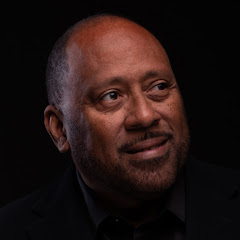
0:05 All right. Welcome to Frankly Speaking. And today's episode and edition of Frankly Speaking, I'm talking to a very close friend, but not only that, somebody who is very important, not only to the state of Georgia, but to our nation at this time. Former mayor of Atlanta, the one and only Keisha Lance Bottoms is here. How are you?
0:28 I'm doing great. Thank you for having me. No, thank you for coming.
0:31 And I know we were just talking a few minutes ago. I know your schedule has been bananas. It's insane. And I have to remind our team all the time, even when I'm done with this work, I still have a household that I have to go to and people I need to see inside my home. So, but, you know, we knew what we signed up for.
0:53 Okay, so let me ask you this. Let's start because I want to do something a little bit different. For this interview. Um, I think a lot of people think they know who Keisha Lance Bottoms is, but I don't think they really do. Who is Keisha Lance Bottoms?
1:09 I am a mother, I'm a wife, I'm a daughter, a sister, a friend, a niece. I am all the things that matter most. And I say that because, you know, we have these jobs and these things, these things we do that outwardly define us, but what's most important to me is how my family sees me, how my friends see me, and how I show up for them in ways big and small. So my husband often reminds me, um, to be very thoughtful about our children because one day they will make life decisions for us. And, and he likes to joke, uh, he's gonna have the view— his rocking chair is going to face the window and mine's going to face the wall.
2:00 So, so when I'm falling short, he says, see, that's why I'm gonna be looking out the window. Oh my gosh, that's why I love him to death. Um, I'm gonna get back to him and you, but real quick, growing up, who was young Keisha Lance Bottoms? And I mean young, like elementary going into middle school. Who was that Keisha Lance Bottoms?
2:26 Oh, wow. Early on, I was, my mother used to call me Chatty Cathy because I talked all of the time and I asked a lot of questions. And I always remember when my daddy would take me to my grandmother's house for her to keep me. My sister and brother named Darian and Tracy, she would say, now I don't mind keeping Darian and Tracy, but you tell Keisha don't come in here asking me a bunch of questions and doing all that talking. And so I— the, uh, the Flip Wilson Show, yeah, was on when we were kids.
3:00 I would dress up like Geraldine, then I would put on all her jewelry and makeup, and I would do shows, and then I could talk as much as I wanted to. Wow. Um, so that would— that was me when I was a kid, when I was 8, my dad went to prison. Okay. And, and I didn't know that.
3:20 I began to mute myself in many ways. My dad was a singer. His name was Major Lance. Um, he used to say, baby, I know you don't believe this, but I was a really big deal. And he was.
3:32 He gave Elton John his start. Major big deal. He opened for the Beatles. Um, and I didn't know this then, but I learned later my dad struggled with addiction. Okay.
3:43 And when I was 8, I came home from school and he was being led away in handcuffs and went to prison. So there I became a different version of that, just fearless, talkative. I still talked a lot because I always got in trouble in school for talking. But, um, so there are different versions of me as a kid. Okay.
4:06 So when you were young in that same time period, um, what is one thing that you thought you did that was a big deal? Maybe you've never told anybody. Maybe it was an accomplishment. Maybe it was getting an A on a report or doing a presentation or winning something, or something that happened in your life that really was that thing where you said to yourself, wow, I did it. You know what, Frank, that's a great question.
4:35 I think For me, it's hindsight of what was extraordinary that I— that was pretty ordinary. Okay. We travel all of the time, which people do that now, but in the early '70s, that was a really big deal. Yeah. We lived in England when I was a kid because my dad was still very popular in Europe.
4:55 That's where Elton John— Elton John told me it was the biggest professional break he ever had. He said he went to try out his band went to audition for Wilson Pickett, okay, and they passed over him. And my dad picked them up and took them around Europe. And he said at the end of the tour, my dad took off his tie and put it around his neck, and Elton John serenaded me with one of my dad's songs. So when I think of that, like those experiences and being on stage with my dad, and wherever he went, we went, that was a really Wow.
5:28 Big deal as a kid. And it was ordinary, at least until I was 8. You know what's interesting is my daughter, she's 7, and she danced in the kids version of the Atlanta Ballet on the Atlanta Ballet stage. Right. And it was her and Usher's daughter.
5:49 And at the end, we all took pictures and everything, and I put a song behind the video Elton John's Tiny Dancer. Oh, and she kept asking me, who is that song? And we sat there one night and watched like a bunch of Elton John, and she's like a huge Elton John fan now. And it's crazy now that you say that. It's amazing how that is a big deal.
6:13 It was a big deal. Yeah. And when my dad passed, Elton John was living in Atlanta. Yeah. And, and I left a message to let him know my dad passed.
6:25 So my dad's funeral was at Dawson Mortuary, the one that we had in Atlanta. We had a huge funeral in Chicago. And I was so broken up, walked in, I see these 2 white guys on ML King and Dawson Mortuary. And I remember thinking, oh, that was really nice for some of Daddy's band members showed up. That was nice.
6:50 And I later found out it was Elton John.
6:55 And because of the way they were dressed. Yeah. I was like, oh, his band members are here. Wow. Very thoughtful.
7:01 That's all right. And later people were talking about Elton John was at the funeral. I'm like, what? He was? Wow.
7:09 Yeah. Wow. So he thought very highly of my dad. But yeah, just, yeah, I guess it was just the extraordinariness of my life that I didn't appreciate until it was gone. And then the other thing, you know, I was always— I always did pretty well in school.
7:35 Okay. Always scored really high, like standardized tests and things. And I think back and I remember at that time you would get these test results. Yeah. And if you were in 4th grade, it would tell you what grade level And I remember my grade level in English, especially not in math, would be 12th grade, 9 months or something like that.
7:57 Wow. So that was— that always made me proud. Were you a reader? Did you read a lot of books? I used to love to read.
8:03 It was my favorite thing to do. Yeah. Yes. You know, my daddy was a reader. My daddy used to read a lot.
8:09 Okay. Yeah. So when you got older, you went to Frederick Douglass High School? Yes. Um, what was that Keisha like?
8:18 Oh gosh. Uh, so Douglas High School at that time was one of the biggest high schools in the state, if you can believe that. Really? It was. I mean, it was the crème de la crème of high schools.
8:31 And Douglas was, you know, we had over 2,000, 2,500 students. It started at 8th grade. I was 12 when I started high school. Wow. And I was very outgoing at the beginning.
8:48 And, and my cousin— I had 2 cousins there, I had 3 or 4 cousins there, but 2 were older than me. And I remember one day my cousin April, who loved me unconditionally, asked me one day, aren't you ever embarrassed? Because I was always doing the most. Okay. I want to run for class queen, and I wanted to be a North Star rep, which is a drill team.
9:16 Like, I wanted to do all the things. Now, I was never successful, but it didn't stop me. Yeah, I was very ambitious. Okay. And, um, in that moment, it was like a light switch went off, and I thought, am I supposed to be embarrassed?
9:31 I didn't know I should be embarrassed. My cousin was very shy, so it was just amazing to her that I was so outgoing. And then I began this cycle of just kind of trying to mute myself in many ways. Wow. People would not know that about you because the public persona that they see of you is this very straightforward, well put together, not very super out there.
10:01 Yeah, no, I was always doing the most. So you go from Doug and you go to college to an HBCU. I'm still calling it Doug. You've been around Atlanta a long time now, Frank. I remember when you got to Atlanta.
10:20 Yeah. So now you get to FAMU. Yes. How was that experience being away from home? My mom made me apply to schools all out of state because she said I needed to get away to grow up.
10:35 I was 17 when I graduated from high school. So she made me apply out of state. And my mom's customer was a woman named Lorene Brown, Dr. Lorene Brown. She was the Dean of Library Sciences at Atlanta University before it merged with Clark. She used to come and get her hair done in my mom's salon across from the mall west end.
10:55 And she talked me into applying to FAMU. She said, it's far enough away that you can get away, but close enough somebody can get to you. You can be at home. So when I got to FAMU, it was in many ways this reawakening of that fearless little girl. Really?
11:15 Because there were 12,000 students at FAMU then, maybe even more. FAMU was the biggest HBCU at that time. And I got a chance to do all sorts of things. I kept stats for the basketball team. I worked at the radio station.
11:31 I was a DJ. I was the traffic director as my work-study job. I worked at the local newspaper. Then I pledged Delta. And FAMU was big enough and probably is still big enough that you could explore and just figure out your lane and your path.
11:55 You know, when I think about you and I think about that period, I think about like watching the movie ATL, and you have a role in that movie. Like, like you're in that movie somewhere. Oh yeah, Greenbrier Skating Rink. Yes, which for those who don't know, Greenbrier Skating Rink was a skating rink before Cascade. Really?
12:19 Yes. Okay. And it was, uh, right off of Hogan Road. If you've ever been to the AKA House Okay. Over in Southwest Atlanta, that was our skating rink.
12:28 Wow. Yes. Wow. So, okay, so you're at FAMU and what was your biggest memory being at FAMU? Oh gosh, I have so many.
12:42 Yeah. It would just be centered around being a journalism major was huge for me because it was so hands-on. We had to produce the radio news every day and that was when you had to splice the tapes and edit everything on those reel-to-reel tapes. And we would be on deadlines to get this newscast up every day at 5 o'clock. Just the rapid pace of it.
13:08 And also, my minor was English. So I had a professor named Emma Dawson, who's just a wonderful woman. And I primarily focused on African American literature and just discovering people like Toni Morrison and Zora Neale Hurston and Dorothy West and all these incredible authors was enlightening. Wow. So you go, you leave FAMU, you go to Georgia State, and you get a law degree.
13:43 And what made you want to switch and be a lawyer after all of that? Like, how— I'm listening to your story And then you turn around and want to be a lawyer. I used to visit my dad in prison every weekend. Those wonderful ballet lessons were literally replaced with going to see him in prison. We couldn't afford for me to go to ballet anymore.
14:06 So there was always an interest, I guess, in people being treated fairly and all the things you want for a family member who has a run-in with the law. We used to hang out with some guys who went to Morehouse, and this group was Caesar Mitchell, who used to be city council president, and they were all applying to law school. And I was like, oh, that's what we're doing now? Like, we're going to law school? Okay, well, I guess I'll apply for law school.
14:34 That was one of those, if you see it, you can be it. Yeah. And I applied to law school because— and it was— and I remember there were a group of professionals, journalists, Paula Madison was one of them who started the Africa Channel, who came and did this course for us at FAMU called a short course intensive weekend course. And I remember sharing, I'm torn. Do I pursue this journalism thing or do I go to law school?
15:02 And they said, this will— journalism will always be there. If you've been accepted to law school, go. And that was it. And I met my husband the first day of school. Wow.
15:15 Yeah. So now I know what it was all about. You know what's interesting is when I left high school, I went to DC. And I don't know if you know this, I had an aunt that worked at the US Attorney's Office in DC, and I got a summer job at the US Attorney's Office. And I said, this is what I'm going to do.
15:32 And I went to UDC and I started working in law firms, became a paralegal, then a law clerk. And I did not know that. I thought Frank Ski was going to be a lawyer until one day one of the partners found out what my side hustle was. And he said, what are you doing? And I said, I'm going to be a lawyer.
15:48 He was like, wow. He said the same thing. He said, this will always be here if you want to do that. But the entertainment thing, you're good at it. And I left the law firm and got into radio.
15:57 So just the opposite. Yes. And the rest is history. And it's amazing, Frank, you know how you can pour into somebody and you don't even know that you're doing it. Yeah.
16:07 And I had an opportunity to share that with Paul. I don't know if you've ever had an opportunity to have a conversation with a person. I did. He became my life mentor. Yes.
16:15 And my first manager and everything.
16:17 Oh, wow. Yeah. And he guided my whole life. Full circle. Yep.
16:21 This white Jewish man guided my whole life. It was crazy. Yeah. Okay, so you meet your husband, and you all are together for how long before you get married? Well, I was trying to get him to date one of my friends.
16:36 I'm like, well, she likes older guys. I'm not really into older guys. He's 6 years older than me. And, and my mother kept saying— at that time we had one car, a car was always broken down, so my mom would drop me off at school and he would walk me to the car. We would study, and, and I was like, oh, this is my study buddy Derek.
17:00 She's like, I think he wants to be more than your study buddy. I'm like, oh no, he doesn't like me. Yeah. And I like— he went out on a date with my friend and then they didn't hit it off, and someone came back and it was like, he likes you. I'm like, me?
17:16 I'm like, okay. And so anyway, and we're still together. We've been married 30-plus years now. Wow. Yeah.
17:25 Congratulations. Thank you. You know, I, I like him a lot, and you know this. And, and I do have another bottle of wine for him too. But I like him because I think he gives you balance.
17:36 Oh, he definitely— I really see that he gives you balance, you know. He does. He has had 2 jobs since I've known him. Well, he worked at a big law firm, and now he's at a company. Like, he is just very even.
17:56 Yes. Stable. Uh, you know, when you— meanwhile, you've had 10 or more. And you know, when you have personalities like ours, there's a lot of— yeah, yeah. So stability is a wonderful thing, and, and, and it, it's wonderful for our family too.
18:14 Just— and I don't mean stable income stable, I just mean, um, personality and, and, and balance. I get it, I get it 100%. And I think that that's very important in a relationship. You got to have somebody that gives you balance, right? So you and your husband, you're trying to have children.
18:34 You don't have any. And you do something that's quite incredible. And you wind up adopting. Yes. How many kids do you have?
18:44 4. Did you adopt them all at the same time? Different times? How did that— Different times. How did you go to 4 adopted kids?
18:52 So my husband and I went through 3 rounds of in vitro and all the things when you were trying to conceive naturally. And it just was not in the cards for us. So we adopted our son Lance. 6 years later, I was— we were in the midst of trying to do an international adoption because I wanted to adopt a girl, and the waitlist was so long for girls. So we were going to do an international adoption, and then as fate would have it, we ended up adopting our son Langston.
19:31 And then 2 and a half years later, we ended up adopting our twins. Wow. Yeah. And they were, they were all infants. Wow.
19:41 That is incredible. So I spent a short period of time in adoption when I went from my mom to live with my dad. It was a short period of time. There was a lot of drama going on. And I remember that became a really big thing for me.
19:57 And when I got to Atlanta, Um, I was one of the sponsors for Carrie Steel Pits. Oh yes. And I used to always go there on Christmas Day. Wow. And I remember the saddest thing for me is on Christmas Day I'd go and, you know, drop off gifts for every kid that was in there because a lot of the kids got to go off to extended family, but there was always a group of kids that had No family at all.
20:27 And I remember the kids from the Carrie Steele Pitts home went to Douglas. Yeah. Yep. And, and, and I have a picture out there of, of the first group of kids I did this with. And one of them I'm still very close to today.
20:42 Wow. And I could not imagine they were such great children, how nobody wanted to bring them home for Christmas. You know, and it was just— it's always been something that's dear to my heart, which is why when I saw that about you, I just thought, this is just another layer of Keisha Lance Bottoms that people don't understand, because it takes a lot to do that. But, you know, Frank, I say we're the, we're the blessed ones that I get to be their parents. Some people will look at our kids and go, oh, you're so lucky, or you're so blessed.
21:17 I'm like, no, we are. And when I think about all of the heartbreak and disappointment in not being able to conceive and the more than a dozen surgeries I had and just the emotional and physical toll, when I look at them, I know what it was all about. Wow. That it got me to them. Because had I had biological children, I wouldn't have gotten to them.
21:45 Wow. Yeah. You know, I'm gonna say this. I have, um, being with you, I've seen you publicly cry a few times. And, um, one time when we were doing the Atlanta missing and murdered children.
22:04 Yeah. And you were giving your speech, that was very emotional for you, um, dealing with that, because as a parent But most of all because you were here when that was happening. And then I saw it during a really rough time in our city where things were happening and you got really emotional because children were out here getting hurt. And it was— you're very— when it comes to children, it seems like children have a very special place in your heart. Yeah.
22:38 You know, they, they are just pure love. Yeah. There is— it's just the purity of their hearts and their spirits. And, and I love children. I, I do.
22:53 I just— I love children. And I, I do get emotional with them. And even with the missing and murdered children, that makes me emotional because I did grow up during that time. But as a parent, I think about the ages. I think about the ages of my children.
23:13 These were, these were same. Oh, they were babies. Yeah. Um, and in fact, the first child who went missing was walking from the skating rink that I used to go to, Greenbrier Skating Rink. Wow.
23:29 When he disappeared. Now we're, we're coming to this place that you are right now. Yeah. After all of that, you're getting ready to take a position because you're going to get it, but you're getting ready to take a position that no woman has had here, but no African American woman has had anywhere in America. Any state outside of Washington, D. C. , but any state in America has never had an African American woman governor.
24:02 And you're getting ready to do that, God willing. Yeah, I think it's in the cards. God's gonna do it. Why did you want to do that, Frank? I woke up the day after the presidential election.
24:15 I was disappointed but not surprised. I've prayed about what I would be called to do in this season. Life was comfortable. Yeah, I'd gone to work at the White House. I'd left the White House.
24:32 I was traveling. I produced the show on Netflix. I was writing my book and just all these things that you get to do when, when you're not serving in public office. You know, as a person of faith, when you pray, you got to be prepared for the answer. And it was very clear to me that it was time for me not to continue to be comfortable.
24:57 That in this moment we're all— I mean, we all have a calling on our lives, whatever that thing may be. Yeah. Wherever we may be placed in any season in life. But I knew I— it was time for me to get uncomfortable again and get back in the ring and fight. So the conversation that you had to have with your husband, I know that was No, again, I know he's supportive, but I know he's probably saying, what, really?
25:31 You know, he's like, he's a planner, so it's do it, don't do it. Okay, I don't care, just what's the plan? That what, you know, how are you gonna do this, what this is gonna look like. Yeah, how this will impact the kids. You know, all those things.
25:50 He just, he's a man. He likes, like, let's outline this. You know, he puts emotion aside and it's like, what's the plan? How are we gonna navigate this as a family? And how are you gonna raise money?
26:08 And, you know, all the questions you want somebody to ask. He's doing it in the kitchen. What'd your kids think? 3 of the 4 were very supportive. One, which is on brand with his personality, is like, I don't care what you do, just leave me out of it.
26:30 So I try and leave him out of it. But even he's been working on the campaign. Do you realize when you become the governor, it's going to be equivalent to Barack and Michelle moving into the White House for you to move in to the state house in Buckhead with a Black family?
26:53 That will be an interesting moment. Yeah. Well, I think it's going to be a beautiful thing. Again, my husband, who is the most consistent person, we live 3 miles from the house that he grew up in. So the most interesting thing will be pulling him off of Cascade Road.
27:14 He is Southwest Atlanta through and through. Let me say this, um, there are some different things that you believe in that you would bring to the state of Georgia. Yes. One of them that I think is probably the most important is this pre-K education. I see how important it is for children to start early.
27:43 I think in America, there's a lot of times in America that we don't— we think that kids don't need to start learning until they're 6. And I can look at my 2-year-old Paxton right now and tell you, like, he's a sponge. That's right. Wanting to know at 2. And there's a lot of cultures around the world, and even some people in the United States, that are educating their kids at 2.
28:09 You know, my wife was telling me, you know, in Jamaica she was reading at 2 and 3 years old. And we have some kids that aren't getting educated until they're like 5. And you want to stop that. When I started Caria Heights Elementary School at 4 years old, I remember I memorized an entire book because my parents would always read this book to me. My sister and brother would read Little Red Riding Hood to me.
28:36 And Miss Peggy Hall had me sit on the piano bench. There was a piano in our room to read to the children. And she was so impressed, she stopped by my house to tell my mother, can you believe this child can read that way? And I was very dramatic. And my mother's like, I don't think she can.
28:58 She said, I don't think she can read. She memorized it. And Miss Hall said, well, that's even more impressive. But that is what happens when you pour into children. Yeah.
29:10 So for so many people who want their kids to enter pre-K in the state, they can't get a seat. I would imagine if you went to your local elementary school, there probably is a very lengthy waiting list for the pre-K program in your neighborhood because we've not fully funded it. So what I want you to do as governor, fully fund pre-K, plain and simple. So that every family in the state who wants to send their child to pre-K has a spot, making sure our kids, that kindergarten is mandatory in this state, and making sure that we have literacy coaches and where necessary wraparound services in our schools. I mentioned the kids from Cary-Still Pitts who used to go to Douglas High School.
29:59 You know, every community has a different makeup. And what you may need in Buckhead in Atlanta may be very different than what someone needs in Augusta or in Macon. And just giving, meeting our kids and our families at their point of need, and that begins with fully funding pre-K. Absolutely. Another big problem here in the state is, and I couldn't believe it when I saw it happening, and I was like, wait a minute, what?
30:29 What the hell is going on with these corporations buying up all these homes here and regular people can't afford to get a home? Like, the dream of home ownership is out the window because these corporations are buying up— like, how can that happen? Frank, my husband and I bought our first home when I was 25. I got married at 24. We bought our first home at 25.
30:54 It was just this natural progression. We'll get married, we'll save some money, we'll buy our house. How many 25-year-olds in this state do you think own homes right now? Right. Not very many.
31:07 Not very many. And even where people want to rent, you're dealing with these corporations. You can't even get a landlord on the phone. So Georgia is amongst the highest just in terms of these corporate-owned properties where they come in and they buy up entire neighborhoods. I talked to a guy who ran one of these companies He said a regular person will never beat us in getting one of these homes.
31:34 We've got this algorithm, and when they hit the market, we are able to assess and, and put in an offer. It, it just cuts regular, regular people out. We got to crack down on that. Yeah, in this state, because for so many families, homeownership is their path to wealth. That's how— and, and that first home my husband and I bought, thankfully we still own that home, which then creates generational opportunities because we'll be able to pass that down to our kids one day.
32:08 Yeah. So it's, it's important. That is the path to the American dream. That's right. Homeownership.
32:14 That's right. Period. That's right. Yeah, that's right. So anyway, it's important for many reasons.
32:20 You want people to be able to afford a home. You want them to be able to live in their homes with dignity. And part of it is getting these corporations out of this single-family home ownership market that's making it difficult. So another one of your plans that I— this has been mind-boggling for me, is with health insurance in this state. And when I tell you there are more people now that are living with no insurance now.
32:54 Yes. And, and that number is mind-boggling, especially here in the state. The amount of money that it costs when I'm in between a radio station or whatever to pay for my own health insurance, like, I could, I could drive a really nice car. Like, it's crazy. Some people are paying family— like, as a family, I remember one time It was like almost $5,000 a month.
33:19 I was going to say they're paying a mortgage. They're paying health insurance. 600,000 people have dropped their health insurance since January of this year because the Trump administration didn't extend the subsidies that were attached to Obamacare. 600,000 people dropped health insurance. Even before that, 300,000 didn't have health insurance because we didn't have Medicaid.
33:43 And some people ask it, well, if I'm not eligible for Medicaid, why do I care about expanding Medicaid? Well, when you don't have health insurance and you're not getting routine care, whether it be to get your insulin or your high blood pressure, your cholesterol, and you end up in that emergency room and there are people lined up in the hallway, it's because they don't have health insurance access to routine care because people— we've not expanded Medicaid and it creates cycle of a broken healthcare system. The guy I'm running against doesn't believe we need to expand Medicaid. He says it's not even as bad as people think. Well, tell that to a family who wants health insurance and can't afford to get it.
34:27 Can't afford to get it. It's crazy. That to me is mind-boggling because I know how important it is. And especially as I've gotten older, Yes. You know, I have to go to the doctor more often to get checked more often to make sure I'm around for my kids.
34:43 And I want to be around. And health insurance is vitally important. Let's talk about something that I know a little bit about and how do we fix the problem. There are so many counties in the state that don't have hospitals and hospital centers. Incredible to me.
35:04 Now, we, we live in a metropolitan area and we wouldn't think about that, but you have a lot of people that have to drive hour and a half, 2 hours. Women that want to go see their OB-GYN are driving 2 and a half hours. I was gonna say, depending on where you are in this metro area— I live in Southwest Atlanta, there is no hospital near me. Wow. Southwest Hospital, which was Holy Family years ago.
35:30 Yeah. Closed down. That was the hospital in my community. South Fulton Hospital has closed down, and now Atlanta Metro has closed down. So, and, and I've had to call 911 for one of my kids experiencing an asthma attack and, and one having a seizure.
35:50 So I know what that wait is like. And it— for me to get from my house in Southwest Atlanta to downtown Atlanta during the peak of rush hour could take me 45 minutes or more. So imagine trying to get there with an ambulance. How do you fix that as the governor of the state? Yeah, so when I was mayor, one thing we did was we put a standalone ambulatory bay in that community so that at least an ambulance could be closer.
36:20 As governor, when I'm hearing these stories, I was talking to a woman in Jessup who shared her sister-in-law went into labor and had to drive an hour and 15 minutes to the closest delivery unit because the delivery unit— hospital didn't close, but they closed the birthing unit. So as governor, I want to expand Medicaid. I want us to try and reopen some of these hospitals, get the funding in place, because it's a funding issue. Yes, these hospitals don't have the money to stay open, they're losing healthcare professionals because it's difficult for healthcare professionals to make a living when you don't expand Medicaid and it just becomes a cycle. So I want to expand Medicaid, plain and simple.
37:06 Let's get some of this federal money back in the state that we're sending to other states who have expanded Medicaid. We're one of 10 states who hadn't expanded Medicaid. That make any sense? 40 other states said, This is a good idea. Michigan even did it with a Republican governor.
37:25 But, you know, Republican leaders have doubled down on it in Georgia and it's costing people their lives. Why are they so against it? I think they are against it because it was called Obamacare at one— I mean, you know, that anything attached to healthcare, they give credit to President Obama for. And I think it just— and just the trope that these people don't want to work and these are people who are trying to game the system and all the things that they try and attach to vulnerable communities. And it's a bipartisan issue.
38:03 Yeah. Marjorie Taylor Greene has talked about the broken healthcare system. Absolutely. In this state. So if you're having a heart attack, if you're going through one of these communities or a car accident, nobody's going to say, are you a Republican or a Democrat?
38:18 Okay, now get them to the hospital. Like, you're going to want access to care. Yeah. And I tell people, even if you are in the metro area, do you ever drive to Florida? Do you ever drive Tennessee or Alabama?
38:31 You get on the highway, you're going through one of these communities that has a closed hospital. Wow, it's that bad. AI has taught us something. It's very interesting. At the last Hope Forum, John Hope Bryant's forum, I had a talk with Killer Mike, and I was telling Killer Mike at the time— Killer Mike said, and this is a couple years ago, we need to get our children into more than just trying to say go directly to college.
39:01 There are other jobs out there that require skills that you don't have to go to college for. When AI came in and we are starting to see so many jobs leave But the jobs that AI can't do are these working with your hand jobs. The AI can't do plumbing, that's right, fix air conditioning, can't fix your car, can't put a roof on your house, like all these things. And I think it'd be— I remember when I was in high school, we had a division of our high school that taught that, and a lot of kids from my high school were in those classes and got out and went right to work. Well, I have this conversation with my oldest all the time because he, he stopped school for a while to go and work.
39:48 And he's like, Ma, I got a job. My friends who graduated don't. And, and I, I can't argue with that because so many of his friends don't have jobs. Yeah. Yet.
39:58 So when I was mayor of Atlanta, we created a Center for Workforce Innovation to train people for these 6-figure jobs. Delta Airlines said, we need mechanics. We're going to Alabama to get mechanics. There's no training program here. Georgia Power said, we got linesmen jobs.
40:16 They pay 6 figures. Truist needed coders at that time. Home Depot needed plumbers. And this is a highly successful program. So I want to scale that statewide.
40:29 And I want us to have free technical and community college in the state. Did you say it's free? I want it to be free. I think it can help offset those kids who do want to go and get that 4-year degree. And also for people like my mom.
40:45 My mom went back to cosmetology school at night when my dad went to prison, which is how she ended up opening her hair salon that she had for many, many years that allowed her to pay her bills and send me to college. Wow. Incredible.
41:06 I want you to real quick, because I'm trying to understand this. There are so many people who are now learning what the real Trump economy is. They're starting to learn it now, right? The hard way. Yeah.
41:24 But then there are so many people like your opponent that say, if you like Donald Trump, you're going to love me. He said there's not a single policy he disagrees with. How do— how? Well, and which is, um, we, we announced the policy on groceries. I wanted to give local governments the opportunity to eliminate grocery taxes.
41:50 Common sense. Yeah, get to pass it on to the people. Donald Trump said he was going to reduce the cost of eggs immediately. Eggs are still high. Milk.
42:01 Yeah, orange juice. All, all the things are still high. And this guy I'm running against says there's not a single thing he disagrees with Trump on. So those policies, if you like the cost of gas, if you like the cost of groceries, if you like data centers popping up in your community, this guy says, I agree with all of that. So that's what this election is about.
42:27 I call him Slick Rick. And someone said that was offensive to the Slick Rick. So I try and make it clear he's Slick Rick Jackson. He says, I want to be Trump, with his Southern tone. I want to be Trump's favorite governor.
42:42 Yeah, there's not a single policy I disagree with. I would say this to Rick Jackson if, if I was with him. You know, he, he has commercials that talk about how hard his life was and how he came up and he did this and he did that. The one thing I've learned about people that have had that much trauma in their life as they come up is unless they have a certain level of counseling they become some real people you gotta watch out for because they don't really have a lot of empathy for the world, you know. At least he, he doesn't seem to.
43:19 He doesn't seem to. He then, you know, I, I can't, uh, you know, people get through their trauma in all sorts of ways. Yeah, uh, counseling has been very helpful for me, right? Um, but he then, he then seemed to care about these people who he claims he was. He— yeah, um, and I can't speak to it.
43:43 He, he makes money, you know. I can't speak to his, his personal demons, but I can speak to his outward policies. This man was sued for sex trafficking. He was accused of bringing in immigrant labor nurses. And when these people wanted to break ties with his— uh, or I said, did I say sex trafficking?
44:08 Human trafficking. Human trafficking. I said sex trafficking. I'm sorry, human trafficking. Pardon me.
44:13 Uh, when they wanted to break ties with him, he threatened to deport them to ICE. That's not a good guy. It's not a good guy. There are lots of things that this guy has done, and it's starting to come out now. And they're starting to come out, and you'll hear more and more about them.
44:31 You know, I, I think that you— I'll say this— you talk the talk and you walk that walk. You say what you're gonna do and you do it, right? Here you are, you've adopted 4 children. His story is about how he went from one house in the adoption system to the next, to the next, the next, but why wouldn't you— you're a billionaire, why wouldn't you adopt some kids and make their life better? But you did that.
45:02 Yeah, you know, again, I can't speak to him. I can speak to me and, and yeah, what was placed on my heart to do. But at the end of the day, you know, I think of, um, the Bible that says to whom much is given, much is required. And the question is, for a billionaire, what, what have you given in return? I know what you claim you're going to do.
45:27 Yeah, but when you've had the ability to do it, what have you done? Yeah, what I see is that even one of his companies receives money for foster care, and there's not a lot of output that's going back out to support foster care support. I see a man who has a healthcare company that makes money off of a broken healthcare system. He's a billionaire. I'm assuming he can pay his healthcare premiums.
45:57 But he didn't want the most vulnerable people in Georgia to have healthcare. He does a press conference about support of minority businesses, and you look at the senior leadership of his own company, I don't see minorities reflected, at least on the pictures I've seen. So what is it that you've done? Not what will you do? Have you done when you've had the opportunity to do it?
46:27 And I just don't see the output. All right, before we finish, if you had an opportunity right now and your husband said we going on a trip anywhere in the world, where would you want to go? South Africa. Yeah? Yes.
46:42 And Paris. I've never been to Paris. Okay. And I've been through South Africa to Swaziland for a missions trip. But we didn't get to spend any time in South Africa.
46:53 One of my favorite places in the world. Oh, maybe I'll get on one of those trips with you. You need to. I'll plan it. I'll plan it.
47:01 If, um, and your kids would love it too, so that's a good one. If you have an open date night, um, what is your favorite cuisine? Ha! My husband is such a creature of habit. So we tend to go to the same restaurants all the time.
47:22 The same restaurant. Sounds like me. But if it were just, just me, I love seafood. Yeah. So any kind of seafood.
47:31 Any kind of seafood? Yes. Okay. And, and what is your favorite movie of all time? Oh, Imitation of Life.
47:39 Yep. The Color Purple. And probably Love Jones. Wow. Yes.
47:47 Okay. Keisha Lance Bottoms' favorite color? Yellow. Yellow. Yes.
47:52 Okay. Your favorite dish that your mom makes? Oh, my mom is such a great cook. Yep. I love everything my mother makes.
48:03 Every single thing that she makes. She makes great oxtails. She makes great greens. She doesn't even eat chicken. She makes great fried chicken.
48:13 I love everything that she makes. Really? Yes. Okay. Well, I just want to say thank you for sitting down and talking to me on Frankly Speaking.
48:22 Thank you. You've been an amazing guest. And my last question is, because sometimes I can see into the future, so I already see you in the Georgia State House. Like, you are going to be in that mansion, you know, and I'm going to be able to drive by dropping my kids off to school and say, guess who lives there? And it's going to be a great thing.
48:48 Um, and then after that, I see big things for you. I, I, I see you going back to the White House in an even more powerful position. I, I really do. I see that for you. I see that for you because you have a sense of charisma that is very, um, attractive to a lot of people.
49:12 People are drawn to you. You carry yourself very well. You're super intelligent. You have an incredible caring heart. And I think the world needs more people like Keisha Lance Bottoms.
49:26 Thank you, Frank. Thank you. I appreciate you. Thank you.